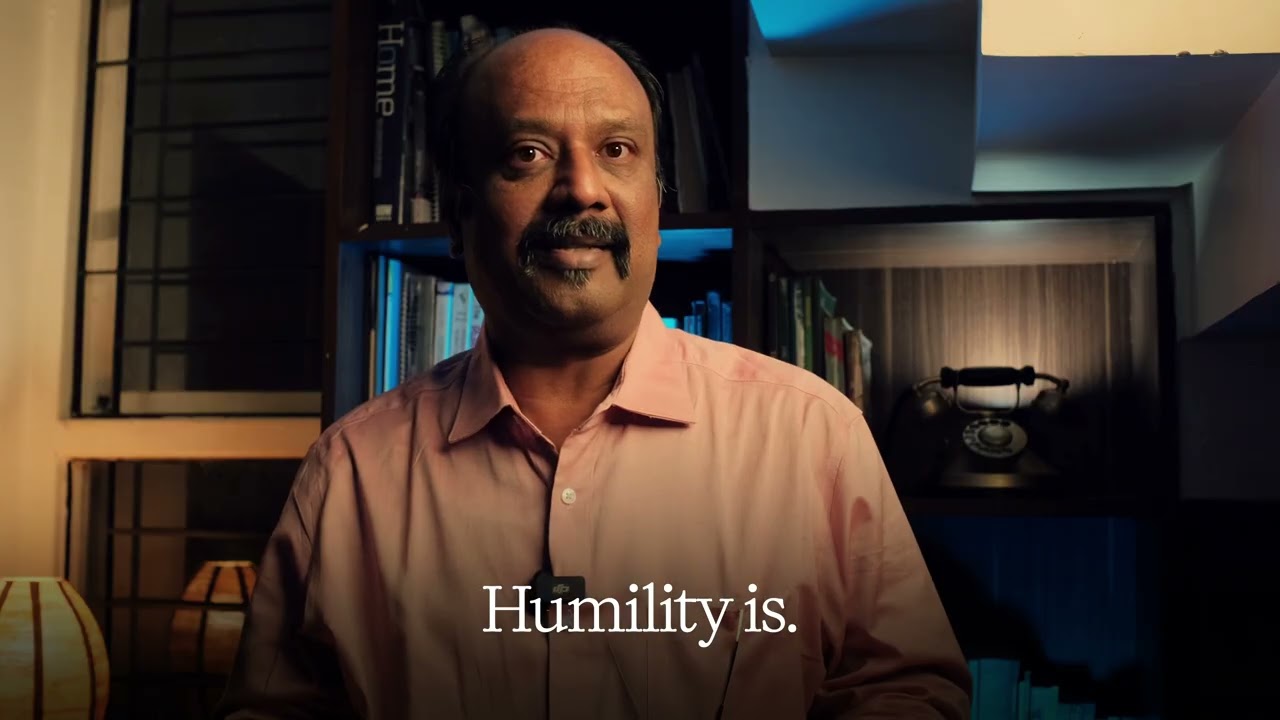
At VentureBean Consulting, our Leadership Identity Coaching works closely with founders, leaders, and high performers who have achieved what the world recognises as success. They have built companies, scaled teams, delivered outcomes, and earned credibility through consistent execution. Yet in many conversations, we notice an internal tension beneath these accomplishments. External success, defined by role, title, and leadership position, no longer fully aligns with who they are.
When Achievement Becomes Identity
Identity, Achievement, and the Invisible Tension
At VentureBean Consulting, we work closely with founders, leaders, and high performers who have achieved what the world recognises as success. They have built companies, scaled teams, delivered outcomes, and earned credibility through consistent execution. Yet in many conversations, we notice an internal tension beneath these accomplishments. External success, defined by role, title, and leadership position, no longer fully aligns with who they are.
When Achievement Becomes Identity
One of the most revealing questions we ask is simple: Who are you?
Often, the answer arrives in the form of a role – founder, CEO, investor, parent, leader, or builder. These responses feel natural because roles are visible, tangible, and validated by the outside world. They provide data points that say, “This is who I am and this is why I matter.”
Over time, a familiar pattern emerges. As success increases, personal identity becomes closely tied to professional achievement. Performance, responsibility, and outcomes begin to define the self. While progress continues, this feels empowering. However, when growth slows or circumstances shift, the foundation starts to feel unstable. Leadership success, when confused with identity, can quietly become a cage.
The Weight of Role-Based Living
When identity rests primarily on function, everything feels personal. Wins inflate the sense of self, while setbacks cut much deeper than they should. Decisions carry unnecessary pressure. Responsibility feels heavier because leadership performance becomes inseparable from self-worth.
A leader who unconsciously believes “I am the leader” often feels compelled to hold everything together. Instead of pausing to see clearly, they rush to fix. They carry more than their share, usually at the expense of perspective and creativity.
Leadership is not about carrying the entire system. You may lead the team, but you also remain part of it. When leadership identity leaves no space for vulnerability or shared ownership, clarity fades and performance eventually suffers.
This is often when high achievers encounter an unexpected stillness. A plateau appears. On the surface, everything looks fine, yet an internal question begins to surface: Is this all there is?
The Plateau as an Invitation
At VentureBean, we view plateaus differently. They do not signal failure or stagnation. Instead, they point to misalignment, especially between leadership identity and evolving purpose.
When identity is built only from lived experience, it naturally carries limits. Experience is finite. Time, energy, and attention are finite. You cannot do everything, be everywhere, or solve every problem. When value is tied solely to output, these limits start to feel threatening.
Yet another layer of identity exists beyond roles, titles, and achievements. It is quieter and less measurable, but far more expansive.
Returning to “I Am”
Before you were a founder, leader, or builder, before anything asked something of you, you already existed without needing to prove anything.
Just I am.
Not I am successful.
Not I am responsible.
Not I am the one who holds it all together.
Simply I am.
This shift is not abstract or philosophical. It is deeply practical. It changes how pressure is held, how decisions are made, and how leadership clarity is accessed. When identity begins with being rather than doing, action becomes more intentional. Ambition remains strong, but it no longer serves as proof of worth. Instead, it becomes an expression of purpose.
At VentureBean, we have seen this shift unlock a different quality of performance. It is grounded, sustainable, and creative rather than reactive.
How Labels Quietly Limit Growth
Every label attached to “I am” introduces a boundary. “I am successful” often carries an unspoken fear of failure. “I am the visionary” can quietly reduce collaboration. “I am the one everyone depends on” frequently leads to exhaustion.
Labels themselves are not the problem. Roles matter and responsibilities remain real. The challenge begins when the role becomes the self. When leadership identity stays tied to past achievements, growth is forced to operate within outdated stories.
Being leads. Doing follows. When this order reverses, even success can feel hollow.
The Mind Wants Proof, Growth Requires Practice
The mind often resists conversations around identity. It looks for evidence, metrics, and certainty. Years of conditioning have equated value with measurable output. This resistance makes sense, but identity-led leadership growth does not reveal itself through logic alone.
Instead, it emerges through experience. It shows up when you slow down, observe what happens as you stop defining yourself solely by output, and notice how decisions feel when they arise from clarity rather than urgency. Ambition does not disappear in this process. The source of ambition simply shifts.
VentureBean’s View on Sustainable Growth
At VentureBean, we believe the strongest businesses are built by leaders whose internal identity evolves alongside external growth. Scaling a company without expanding the self often results in pressure, burnout, or misaligned decisions.
When founders reconnect with who they are beyond learned identities, intuition sharpens, ideas improve, and leadership becomes more resilient. Stress reduces not because the work disappears, but because the work no longer carries the burden of proving self-worth.
Growth driven purely by external validation always meets a ceiling. Growth rooted in aligned identity continues to expand.
A Simple Invitation
If restlessness has appeared after years of achievement, consider this possibility: the next level of personal and leadership growth may not come from doing more. It may come from being more present with who you are beneath the role.
Set aside a few quiet moments and repeat two words to yourself: I am.
No titles. No qualifiers. No expectations.
Notice what arises. Discomfort is common, and insight often follows. With time, clarity grows. From this place, goals become cleaner, vision widens, and action feels purposeful rather than reactive.
Beyond Achievement
No matter how much you have accomplished, more remains available. Not more pressure or proof, but more alignment and possibility. When validation is sought externally, experience becomes constrained. When attention turns inward, space opens for purpose, creativity, and sustainable leadership success.
At VentureBean, we believe the future of leadership rests on this understanding. The most impactful leaders are not those who cling tightly to titles, but those willing to outgrow the stories that once defined them.
The real question is no longer only what you are building.
It is who you are allowing yourself to become.
And that journey begins not with effort, but with awareness.
I am.
FAQs
1. What does it mean to define success beyond titles and roles?
Defining success beyond titles means separating personal identity from professional roles and achievements. It allows leaders to experience purpose, clarity, and sustainable success without tying self-worth solely to outcomes or positions.
2. Why do high-performing leaders struggle with identity after success?
High-performing leaders often equate identity with achievement. When growth slows or roles change, this creates internal tension, leading to restlessness, burnout, or a sense of misalignment despite external success.
3. How does role-based identity impact leadership effectiveness?
Role-based identity increases pressure, reduces perspective, and limits creativity. Leaders may over-control, avoid vulnerability, or carry excessive responsibility, which eventually affects decision-making and team performance.
4. Why do successful founders experience plateaus despite strong results?
Leadership plateaus often signal misalignment between who a leader has become internally and the identity they continue to operate from. These plateaus are invitations for deeper growth, not failure.
5. How does redefining identity support sustainable business growth?
When founders and leaders evolve internally, they access better intuition, clearer vision, and stronger decision-making. Sustainable growth emerges when leadership identity expands alongside organisational scale.